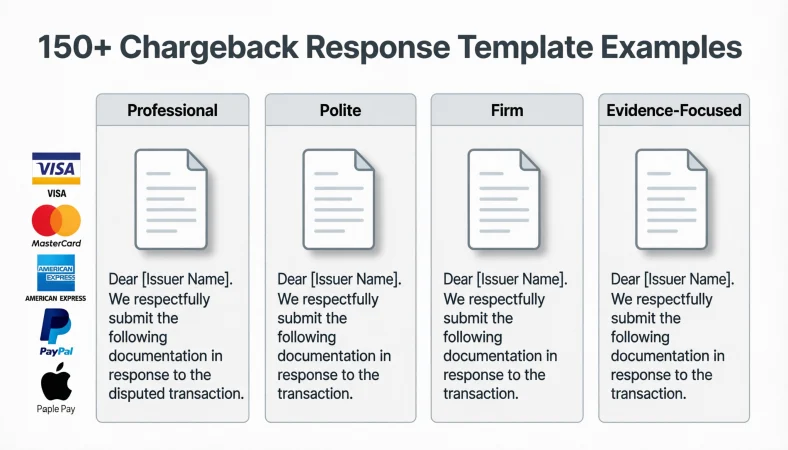
Quick Answer: A chargeback response template helps you reply clearly when a customer disputes a payment, requests a refund through their bank, or challenges a transaction. The best response is factual, calm, organized, and supported by relevant evidence.
Top alternatives: professional chargeback response, chargeback dispute letter, payment dispute response, merchant chargeback letter, chargeback rebuttal template
A chargeback can turn a normal business transaction into a surprisingly stressful situation. One minute you are handling orders, emails, DMs, and customer questions, and the next you are staring at a payment dispute that needs an answer yesterday.
That is where a good chargeback response template becomes incredibly useful. Whether you run an online store, freelance business, subscription service, or brick-and-mortar shop, your response needs to communicate the facts without sounding defensive or emotional.
The right wording can make your documentation easier to understand and help you present the relevant transaction details clearly. A strong response should focus on what happened, what was provided, what the customer agreed to, and what evidence supports your position. Think of it as turning a messy payment story into a clean, easy-to-follow explanation.
Professional Responses
Please find our detailed response to this chargeback below.
Use this when submitting a formal explanation with supporting transaction records.
Meaning: It introduces the response in a clear and businesslike way.
We respectfully dispute this chargeback based on the transaction records provided.
Use this when your documentation supports the original payment.
Meaning: It clearly states your position without sounding confrontational.
The transaction was completed according to the agreed terms.
Use this when the customer received the promised product or service.
Meaning: It emphasizes that the transaction followed the original agreement.
We have attached documentation supporting this transaction.
Use this when you are submitting invoices, receipts, delivery records, or related evidence.
Meaning: It directs attention toward your supporting documentation.
The customer authorized the transaction through our standard payment process.
Use this when authorization records are available.
Meaning: It explains that the payment followed the normal authorization procedure.
Our records indicate that the requested product or service was provided.
Use this when fulfillment evidence is available.
Meaning: It presents fulfillment as a documented fact.
We request that the dispute be reviewed alongside the enclosed evidence.
Use this when you want the reviewer to consider your documentation carefully.
Meaning: It politely asks for an evidence-based review.
The transaction details are consistent with our customer records.
Use this when account information matches the disputed purchase.
Meaning: It highlights consistency between records.
We have provided the relevant records for consideration.
Use this when submitting a concise evidence package.
Meaning: It keeps the response professional and focused.
The order was processed in accordance with the customer’s submitted information.
Use this when order details match the information supplied at checkout.
Meaning: It explains that processing followed the submitted order data.
Please review the attached records regarding this disputed transaction.
Use this when directing attention to evidence.
Meaning: It invites a straightforward review of the documentation.
Our response is based on the transaction history and available supporting records.
Use this when you want to emphasize factual documentation.
Meaning: It keeps the response grounded in verifiable information.
Polite Responses
Thank you for reviewing our response to this dispute.
Use this when closing a courteous chargeback submission.
Meaning: It maintains a respectful tone throughout the process.
We appreciate the opportunity to clarify the transaction details.
Use this when the dispute appears to involve confusion.
Meaning: It frames your explanation as helpful clarification.
We would be happy to provide additional documentation if required.
Use this when more evidence may be requested.
Meaning: It shows cooperation without making unnecessary claims.
We kindly ask that the transaction records be considered during the review.
Use this when presenting evidence respectfully.
Meaning: It politely requests consideration of your records.
We understand that payment disputes can arise from misunderstandings.
Use this when the issue may be based on confusion.
Meaning: It acknowledges the situation without assigning blame.
We appreciate your time and consideration.
Use this as a simple professional closing.
Meaning: It ends the response with courtesy.
Please let us know if any additional information is needed.
Use this when you are prepared to provide further details.
Meaning: It keeps communication open and helpful.
We are pleased to clarify the circumstances surrounding this transaction.
Use this when the dispute needs additional context.
Meaning: It signals that your response is intended to explain the facts.
We respectfully submit the following information for review.
Use this when beginning a formal evidence summary.
Meaning: It introduces your documentation politely.
We hope the attached records help clarify the matter.
Use this when your evidence directly addresses the dispute.
Meaning: It presents your documentation in a friendly manner.
Thank you for taking the time to review the transaction history.
Use this when concluding a detailed response.
Meaning: It adds a courteous touch to a formal submission.
We appreciate your careful review of the information provided.
Use this when submitting a complete response package.
Meaning: It respectfully recognizes the review process.
Firm Responses
Our records do not support the reason stated for this chargeback.
Use this when the documented transaction conflicts with the dispute reason.
Meaning: It firmly identifies a discrepancy without using hostile language.
The available evidence supports the validity of the transaction.
Use this when your records substantiate the payment.
Meaning: It clearly states that your evidence supports the transaction.
The transaction was completed as agreed by the customer.
Use this when fulfillment documentation is available.
Meaning: It emphasizes compliance with the original agreement.
The disputed amount corresponds to the original purchase.
Use this when the payment amount matches the order record.
Meaning: It connects the disputed charge directly to the purchase.
Our records show no discrepancy in the transaction amount.
Use this when the customer disputes the payment amount.
Meaning: It states that your records match the charged amount.
The supporting documentation contradicts the stated dispute reason.
Use this when evidence directly addresses the claim.
Meaning: It points out an evidence-based inconsistency.
The order information matches the transaction submitted for payment.
Use this when purchase details are consistent across records.
Meaning: It establishes a clear connection between the order and charge.
The available records indicate that the transaction was properly processed.
Use this when explaining a payment-processing issue.
Meaning: It presents the processing history clearly.
We request that the documented transaction history be given full consideration.
Use this when your evidence is comprehensive.
Meaning: It firmly asks reviewers to consider the available facts.
The customer’s dispute does not align with the documented transaction history.
Use this when records provide a different account of events.
Meaning: It highlights a factual inconsistency professionally.
The submitted evidence supports the original transaction.
Use this when your evidence package is straightforward.
Meaning: It provides a concise statement of your position.
Based on the records provided, we maintain our response to the dispute.
Use this when you need a confident closing statement.
Meaning: It reinforces your documented position calmly.
Concise Responses
The transaction was authorized and completed successfully.
Use this when you need a short statement about payment completion.
Meaning: It summarizes the transaction status.
The order was fulfilled as documented.
Use this when delivery or service records are available.
Meaning: It confirms documented fulfillment.
The disputed amount matches the original purchase.
Use this when payment and order amounts correspond.
Meaning: It connects the charge to the original transaction.
Supporting records are attached for review.
Use this when submitting evidence.
Meaning: It points reviewers toward the documentation.
The transaction details match our records.
Use this when customer and payment information are consistent.
Meaning: It confirms record accuracy.
The stated dispute reason is not supported by our records.
Use this when documentation conflicts with the claim.
Meaning: It identifies an evidence-based disagreement.
The customer received the purchased service as documented.
Use this when service completion can be verified.
Meaning: It confirms fulfillment.
The order was processed according to the submitted information.
Use this when checkout details are relevant.
Meaning: It explains how the order was handled.
The payment corresponds to the documented order.
Use this when matching payment records to an order.
Meaning: It connects the payment with the purchase.
Our evidence supports the original transaction.
Use this when you need a simple summary.
Meaning: It states the core position directly.
The transaction history is included for review.
Use this when attaching account or payment records.
Meaning: It directs attention to the relevant history.
We respectfully dispute the stated chargeback reason.
Use this when your records contradict the dispute.
Meaning: It communicates disagreement in a controlled way.
Customer-Friendly Responses
We understand that payment issues can sometimes be confusing.
Use this when the customer may have misunderstood the transaction.
Meaning: It acknowledges possible confusion without blaming anyone.
We are happy to clarify what happened with the transaction.
Use this when explaining an unfamiliar charge.
Meaning: It offers a helpful explanation.
Here is a clear summary of the transaction for your review.
Use this when organizing complicated payment details.
Meaning: It makes the information easier to follow.
We want to make sure the transaction details are fully understood.
Use this when communication appears unclear.
Meaning: It focuses on mutual understanding.
The purchase details are available in the records below.
Use this when providing order information.
Meaning: It directs the reader toward relevant facts.
We appreciate you giving us the opportunity to explain the transaction.
Use this when responding to a customer dispute.
Meaning: It keeps the interaction cooperative.
We have reviewed the transaction carefully.
Use this when confirming that the issue was investigated.
Meaning: It shows that the concern received attention.
The following information explains the transaction step by step.
Use this when the dispute needs context.
Meaning: It prepares the reader for a structured explanation.
We hope this information clears up any confusion.
Use this when documentation resolves a misunderstanding.
Meaning: It aims for clarity rather than conflict.
We are committed to keeping transaction information clear and accurate.
Use this when reinforcing customer service standards.
Meaning: It communicates a commitment to transparency.
Please review the transaction details before making a final determination.
Use this when customer records provide important context.
Meaning: It encourages an informed review.
We appreciate your patience while the transaction is reviewed.
Use this when the dispute process takes time.
Meaning: It maintains a friendly tone during a formal process.
Evidence-Focused Responses
The attached invoice confirms the original transaction amount.
Use this when an invoice supports the disputed charge.
Meaning: It identifies specific evidence backing the payment.
The order confirmation documents the customer’s purchase details.
Use this when an order confirmation is available.
Meaning: It connects the customer’s purchase with the transaction.
The delivery record confirms fulfillment of the order.
Use this when shipping or delivery information is relevant.
Meaning: It provides documented proof of fulfillment.
The customer account history reflects the disputed transaction.
Use this when account records contain useful information.
Meaning: It establishes that the payment appears in the customer’s account history.
The payment record matches the corresponding order.
Use this when transaction and order data align.
Meaning: It demonstrates consistency between records.
The receipt confirms the amount charged to the customer.
Use this when a receipt is part of the evidence package.
Meaning: It verifies the transaction amount.
The service record confirms completion of the purchased service.
Use this when selling appointments, subscriptions, or professional services.
Meaning: It documents service fulfillment.
The relevant terms were presented during the transaction process.
Use this when purchase terms are important to the dispute.
Meaning: It highlights the availability of applicable terms.
The submitted records show the transaction date and amount.
Use this when basic transaction details matter.
Meaning: It identifies key payment information.
The account activity supports the transaction history provided.
Use this when account records reinforce your explanation.
Meaning: It adds another layer of documentary support.
The attached communication records provide additional transaction context.
Use this when emails or messages clarify what happened.
Meaning: It points to communication evidence.
The evidence package contains records relevant to the disputed payment.
Use this when submitting multiple documents.
Meaning: It explains why the attached evidence matters.
Calm And Neutral Responses
We have reviewed the transaction and prepared the following response.
Use this when beginning a neutral chargeback explanation.
Meaning: It introduces your position without emotional language.
The transaction history provides relevant context for this dispute.
Use this when additional background is needed.
Meaning: It directs attention toward the documented timeline.
Our records provide the following information regarding the transaction.
Use this when presenting factual details.
Meaning: It keeps the explanation objective.
The available information has been reviewed carefully.
Use this when confirming an internal review.
Meaning: It shows that the matter was considered thoughtfully.
The transaction can be understood through the records provided.
Use this when documentation tells the story clearly.
Meaning: It emphasizes the value of the evidence.
The following details address the reason stated for the dispute.
Use this when responding point by point.
Meaning: It connects your explanation directly to the claim.
Our response focuses on the documented transaction history.
Use this when avoiding unnecessary commentary.
Meaning: It keeps attention on verifiable information.
The records below provide additional context.
Use this when attaching supporting documents.
Meaning: It introduces evidence without making exaggerated claims.
We have outlined the relevant transaction details below.
Use this when creating a structured response.
Meaning: It signals an organized explanation.
The available documentation has been included for consideration.
Use this when submitting evidence.
Meaning: It respectfully presents your records.
The transaction details are summarized below for clarity.
Use this when simplifying a complicated case.
Meaning: It makes the response easier to review.
We have addressed the relevant facts based on our available records.
Use this when completing a formal response.
Meaning: It communicates a factual and measured approach.
Refund-Related Responses
We have reviewed the refund request in relation to the original transaction.
Use this when a dispute involves a requested refund.
Meaning: It connects the refund issue with the original purchase.
The refund status is reflected in our transaction records.
Use this when documentation shows whether money was returned.
Meaning: It directs attention to the recorded refund status.
Our records indicate whether a refund was previously processed.
Use this when a customer claims they did not receive a refund.
Meaning: It distinguishes the claim from documented payment activity.
The original payment and refund records have been provided for review.
Use this when both transactions are relevant.
Meaning: It gives reviewers the complete payment history.
The requested refund is addressed by the transaction documentation.
Use this when records provide relevant context.
Meaning: It explains that the evidence relates directly to the refund request.
We have reviewed the refund history associated with this payment.
Use this when investigating a disputed refund.
Meaning: It confirms that the refund history was checked.
The customer’s refund request has been considered alongside the transaction records.
Use this when presenting a balanced response.
Meaning: It shows that the refund concern was reviewed.
The refund information is included with the supporting documentation.
Use this when submitting refund-related evidence.
Meaning: It points reviewers toward the relevant records.
Our records reflect the applicable refund activity for this transaction.
Use this when a refund was issued or considered.
Meaning: It focuses on documented refund activity.
The transaction history clarifies the status of the requested refund.
Use this when the refund timeline is important.
Meaning: It explains that the payment history provides context.
We have included the relevant refund documentation for consideration.
Use this when submitting proof of a refund.
Meaning: It identifies the evidence supporting your explanation.
The refund matter can be reviewed using the attached transaction history.
Use this when the dispute centers on refund timing.
Meaning: It directs attention to the relevant records.
Order And Delivery Responses
The order was processed according to the customer’s submitted details.
Use this when order information is central to the dispute.
Meaning: It confirms that processing followed the submitted data.
The order confirmation was generated for the customer’s purchase.
Use this when confirmation records are available.
Meaning: It documents the existence of the order.
The delivery record shows the fulfillment status of the order.
Use this when shipping information matters.
Meaning: It provides documented delivery context.
The customer’s order was processed on the documented transaction date.
Use this when timing is relevant.
Meaning: It connects order processing with the payment timeline.
The available shipping records support the documented fulfillment timeline.
Use this when shipment tracking is part of the evidence.
Meaning: It reinforces the order timeline with delivery records.
The order details correspond with the disputed payment.
Use this when matching an order to a charge.
Meaning: It establishes a connection between purchase and payment.
The fulfillment information has been included for review.
Use this when submitting delivery evidence.
Meaning: It directs reviewers to relevant fulfillment records.
The customer’s purchase was associated with the order referenced in our records.
Use this when explaining transaction matching.
Meaning: It connects the customer purchase to the documented order.
The documented order history provides context for the disputed charge.
Use this when the dispute requires a timeline.
Meaning: It explains why order history matters.
The shipment information is consistent with the recorded order.
Use this when delivery and purchase details match.
Meaning: It highlights consistency between records.
The order was handled according to the submitted purchase information.
Use this when explaining processing.
Meaning: It confirms that the order followed the provided details.
The order and payment records have been included together for clarity.
Use this when several documents need to be compared.
Meaning: It makes the evidence easier to understand.
Subscription And Service Responses
The customer’s subscription was processed according to the applicable terms.
Use this when a recurring payment is disputed.
Meaning: It explains the transaction within the subscription arrangement.
The service associated with the transaction was provided as documented.
Use this when service completion can be verified.
Meaning: It establishes that the purchased service was delivered.
The subscription history reflects the disputed payment.
Use this when recurring billing records are relevant.
Meaning: It connects the payment to the customer’s subscription history.
The service records provide context regarding the disputed transaction.
Use this when usage or service activity matters.
Meaning: It points toward documentation supporting the service relationship.
The applicable subscription details are included in our records.
Use this when explaining recurring billing.
Meaning: It identifies where relevant subscription information can be found.
The payment corresponds with the customer’s documented service history.
Use this when account activity matches billing.
Meaning: It connects payment activity with service records.
The customer account reflects the subscription associated with this payment.
Use this when account records support the transaction.
Meaning: It links the disputed charge to the account.
The service timeline has been included for review.
Use this when dates and service activity matter.
Meaning: It provides a clear chronological context.
The transaction was processed under the documented subscription arrangement.
Use this when recurring billing terms apply.
Meaning: It explains the basis for the charge.
The account records show activity associated with the purchased service.
Use this when service usage is documented.
Meaning: It identifies account activity relevant to the dispute.
The service information supports the transaction history provided.
Use this when multiple records point to the same conclusion.
Meaning: It connects service evidence with payment records.
The subscription and transaction records have been provided for consideration.
Use this when submitting multiple forms of evidence.
Meaning: It presents the relevant documentation together.
Digital And Online Purchase Responses
The online order was completed through the customer’s account.
Use this when account-based purchase records are available.
Meaning: It identifies the digital source of the transaction.
The transaction details match the corresponding online order.
Use this when digital order information aligns with payment records.
Meaning: It confirms consistency between the records.
The customer account contains the relevant order history.
Use this when account activity is important evidence.
Meaning: It points toward the customer’s documented purchase history.
The digital receipt confirms the transaction details.
Use this when an electronic receipt is available.
Meaning: It verifies the online purchase information.
The online service was provided according to the recorded transaction.
Use this when selling digital or online services.
Meaning: It confirms documented service delivery.
The account activity provides additional context for the disputed payment.
Use this when login or usage history is relevant.
Meaning: It adds useful information to the transaction timeline.
The purchase was recorded through our standard online checkout process.
Use this when explaining how the payment was made.
Meaning: It describes the normal transaction process.
The digital transaction history has been included for review.
Use this when submitting electronic records.
Meaning: It directs reviewers toward relevant online evidence.
The electronic order confirmation corresponds with the payment record.
Use this when both documents match.
Meaning: It connects confirmation and payment details.
The online transaction was recorded with the order information provided.
Use this when explaining digital purchase processing.
Meaning: It shows how the order was documented.
The account records support the transaction details submitted.
Use this when customer account data is relevant.
Meaning: It reinforces the payment information with account evidence.
The available digital records have been provided for consideration.
Use this when submitting screenshots, logs, or electronic receipts.
Meaning: It presents digital evidence professionally.
Customer Service Responses
We reviewed the customer’s concern before preparing this response.
Use this when showing that the dispute received attention.
Meaning: It communicates a thoughtful review.
Our customer service records provide additional context.
Use this when previous support conversations are relevant.
Meaning: It directs attention toward communication history.
The communication history has been included for review.
Use this when emails or support tickets matter.
Meaning: It identifies customer service records as supporting evidence.
We have documented the relevant customer interactions.
Use this when communication records are part of the evidence.
Meaning: It establishes that interactions were recorded.
The support history corresponds with the transaction records provided.
Use this when customer service records align with payment data.
Meaning: It highlights consistency between sources.
The customer’s inquiry was addressed through our standard support process.
Use this when explaining previous assistance.
Meaning: It shows that the concern received a documented response.
We have included relevant correspondence to clarify the transaction.
Use this when emails or messages explain the situation.
Meaning: It provides communication context.
The available support records help explain the circumstances.
Use this when a dispute involves previous conversations.
Meaning: It shows why customer service history matters.
The customer communication records have been reviewed carefully.
Use this when correspondence is important.
Meaning: It confirms that the communication history was considered.
Our response reflects the documented customer service history.
Use this when summarizing previous interactions.
Meaning: It keeps the explanation tied to recorded communications.
The relevant correspondence is available as supporting documentation.
Use this when submitting emails or support records.
Meaning: It identifies communication evidence.
We have provided the applicable customer service records for consideration.
Use this when submitting a complete evidence package.
Meaning: It presents support documentation clearly.
Confident Responses
The documented evidence clearly addresses the disputed transaction.
Use this when your evidence directly responds to the claim.
Meaning: It communicates confidence in the documentation.
Our transaction records provide a clear account of the payment.
Use this when the payment history is straightforward.
Meaning: It emphasizes clarity in the records.
The available documentation supports our response to the dispute.
Use this when evidence backs your explanation.
Meaning: It confidently connects evidence with your position.
The transaction details are consistent across the submitted records.
Use this when multiple documents match.
Meaning: It highlights strong record consistency.
The evidence provides relevant context for the chargeback review.
Use this when the dispute requires additional information.
Meaning: It explains why your evidence matters.
Our records accurately reflect the transaction history available to us.
Use this when presenting account records.
Meaning: It reinforces the reliability of your documented history.
The transaction was processed according to the documented purchase details.
Use this when order and payment information align.
Meaning: It confidently explains the processing history.
The supporting records address the key details of the dispute.
Use this when submitting targeted evidence.
Meaning: It shows that your documentation responds directly to the issue.
The transaction history supports the position outlined in this response.
Use this when concluding an evidence-based submission.
Meaning: It connects the facts to your stated position.
The relevant records have been organized for straightforward review.
Use this when submitting a structured evidence package.
Meaning: It communicates preparation and clarity.
The available evidence should be considered alongside the stated dispute reason.
Use this when the dispute claim needs contextual evidence.
Meaning: It encourages a complete review.
Our response is supported by the transaction documentation provided.
Use this as a confident closing sentence.
Meaning: It reinforces that your explanation is evidence-based.
Empathetic Responses
We understand that seeing an unfamiliar charge can be concerning.
Use this when responding to a potentially confusing transaction.
Meaning: It acknowledges the customer’s concern respectfully.
We recognize that payment disputes can happen when transaction details are unclear.
Use this when misunderstanding may be involved.
Meaning: It shows understanding without accepting an unsupported claim.
We appreciate the opportunity to clarify the payment information.
Use this when explaining a disputed charge.
Meaning: It presents clarification as a helpful next step.
We understand why you may want additional information about the transaction.
Use this when the customer requests clarification.
Meaning: It validates the request for information.
We have reviewed the available records to better understand the situation.
Use this when investigating a dispute.
Meaning: It shows that the concern was taken seriously.
We hope the transaction history helps answer the questions raised.
Use this when providing supporting information.
Meaning: It aims to resolve uncertainty through documentation.
We want to make the transaction details as clear as possible.
Use this when explaining a complicated payment.
Meaning: It emphasizes transparency.
We appreciate your patience while the transaction information is reviewed.
Use this when the review requires time.
Meaning: It maintains empathy during the process.
We have included the relevant information to help clarify what occurred.
Use this when providing a detailed response.
Meaning: It frames evidence as a helpful explanation.
We understand that payment concerns deserve a clear response.
Use this when acknowledging the importance of the dispute.
Meaning: It shows respect for the customer’s concern.
We hope the supporting records provide useful context.
Use this when presenting documentation.
Meaning: It offers evidence without sounding argumentative.
Thank you for allowing us to explain the transaction details.
Use this as a warm closing statement.
Meaning: It keeps the exchange respectful and cooperative.
Strategic Responses
The transaction timeline provides important context for this dispute.
Use this when dates and sequence matter.
Meaning: It directs attention toward chronology.
The evidence has been organized according to the relevant transaction events.
Use this when submitting several documents.
Meaning: It makes a complex dispute easier to follow.
The following records address the primary points raised in the dispute.
Use this when responding to multiple claims.
Meaning: It connects each piece of evidence to the dispute.
The transaction details should be reviewed alongside the applicable order records.
Use this when payment and purchase information need comparison.
Meaning: It encourages a complete review.
The customer’s transaction history provides additional context.
Use this when account history is relevant.
Meaning: It adds background without making assumptions.
The supporting documentation addresses the transaction from purchase through fulfillment.
Use this when you have a complete timeline.
Meaning: It shows that the evidence covers multiple stages.
The payment record and order history provide complementary information.
Use this when two evidence sources work together.
Meaning: It explains why both records should be considered.
The relevant communications help establish the context of the transaction.
Use this when messages or emails are important.
Meaning: It shows how communication supports the timeline.
The evidence package has been prepared to provide a clear transaction history.
Use this when submitting organized documentation.
Meaning: It emphasizes clarity and completeness.
The available records address the specific circumstances of the disputed payment.
Use this when the evidence is directly relevant.
Meaning: It keeps the response focused on the dispute.
The transaction should be evaluated using the complete set of available records.
Use this when individual evidence could be misleading alone.
Meaning: It encourages a broader factual review.
We have included the relevant documentation to support a complete review.
Use this when closing an evidence-based submission.
Meaning: It asks reviewers to consider the full context.
Simple And Natural Responses
Here’s the transaction history for review.
Use this when you want a straightforward, modern business tone.
Meaning: It introduces the relevant records simply.
We checked the payment details and included the supporting records.
Use this when providing a concise explanation.
Meaning: It confirms that the payment was reviewed.
The order and payment details match our records.
Use this when transaction information is consistent.
Meaning: It confirms record alignment.
We’ve included the information that explains the transaction.
Use this when attaching supporting documents.
Meaning: It keeps the explanation simple and approachable.
The payment is connected to the order shown in our records.
Use this when matching a payment with an order.
Meaning: It establishes the transaction connection.
Our records show what happened with the transaction.
Use this when explaining a straightforward case.
Meaning: It points toward the documented history.
We reviewed the dispute and prepared the relevant details below.
Use this when beginning a response.
Meaning: It introduces the explanation naturally.
The transaction details are included for clarity.
Use this when adding supporting information.
Meaning: It keeps the focus on understanding the payment.
The available records explain the transaction timeline.
Use this when dates and events matter.
Meaning: It presents the records as useful context.
We’ve provided the relevant information for review.
Use this when submitting a short response.
Meaning: It communicates cooperation and clarity.
The supporting documents give more context about the payment.
Use this when evidence needs explanation.
Meaning: It shows why the documents matter.
We hope this makes the transaction details easier to understand.
Use this when concluding a customer-friendly explanation.
Meaning: It aims to make the issue clearer.
FAQs
What Does “Chargeback Response Template” Mean?
A chargeback response template is a reusable format for explaining a disputed payment and presenting relevant transaction information. It helps businesses organize facts, timelines, and supporting evidence clearly.
Can A Chargeback Response Be Emotional Or Flirty?
Usually, no. A chargeback response should stay professional and factual because payment disputes are business matters. Keep emotional language out and focus on documented information.
How Should I Use A Chargeback Response Template Professionally?
Use clear language, accurate transaction details, relevant dates, and supporting documentation. Avoid unnecessary claims and make sure every statement accurately reflects your records.
What Should I Say If I Don’t Actually Mean The Response?
Do not include statements you cannot support. Replace uncertain wording with factual language based on your actual transaction records, policies, communications, and fulfillment information.
Is Humor Appropriate In A Chargeback Response?
Light humor is generally better avoided in formal chargeback submissions. A calm, respectful, and factual tone makes the response easier to review and keeps the focus on the transaction.
Conclusion
A good chargeback response does not need to sound stiff, complicated, or overly defensive. The strongest replies are usually clear, organized, and grounded in the actual transaction records. Whether you need a professional statement, a polite explanation, a firm clarification, or a simple evidence-focused response, the wording you choose can shape how your information is understood.
Try different versions based on the situation, but always keep the facts accurate and relevant. Save this list for the next time a payment dispute lands in your inbox, share it with a business owner who could use it, and reuse the formats whenever you need a cleaner way to explain a transaction. Keep it clear, keep it professional, and let the records do the talking.