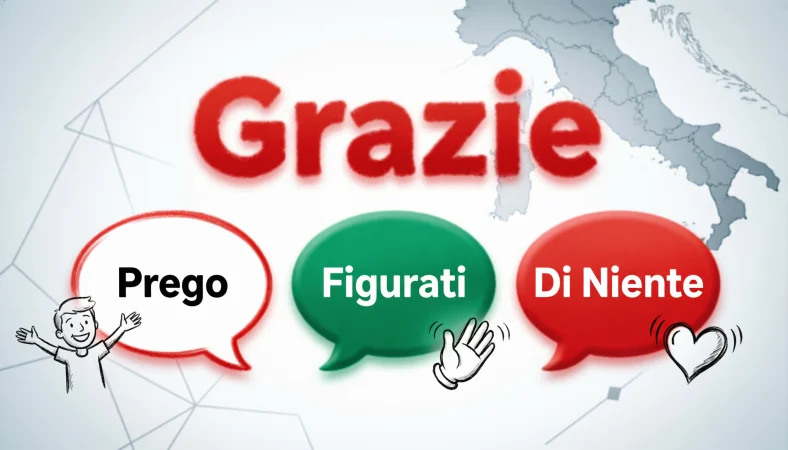
Quick Answer: The most natural response to “grazie” is “prego,” which means “you’re welcome” in Italian. Depending on the mood, you can also use warm, funny, casual, flirty, or playful responses.
Top alternatives: Prego, Di niente, Non c’è di che, Figurati, Con piacere
When someone says “grazie,” knowing the right response can make even a tiny interaction feel smoother. Whether you’re texting a friend, replying to a crush, chatting with an Italian speaker, or simply showing off your language skills, the perfect response to grazie depends on the vibe.
Someone says “grazie,” and suddenly you’re wondering whether to answer with “prego,” “you’re welcome,” or something dramatically more creative. We have all been there. A simple thank-you can happen anywhere: in a text, Instagram DM, workplace message, friendly conversation, travel situation, restaurant, classroom, or even a flirty chat with someone you like. Knowing the right response to grazie helps you sound natural instead of accidentally turning a two-second interaction into a language crisis. “Prego” is the classic Italian answer, but it is definitely not your only option. You can be polite, warm, funny, casual, charming, or playful depending on the situation. The best response is the one that matches your relationship and the mood. So whether you’re learning Italian or simply looking for a better reply, these ready-to-use responses have you covered.
Polite Responses
Prego.
Use this as the standard response when someone thanks you in Italian.
Meaning: It means “you’re welcome” and is the classic polite response to grazie.
Di niente.
Use this when you want to sound relaxed and friendly.
Meaning: It means “it’s nothing” or “don’t mention it.”
Non c’è di che.
Use this when you want a slightly more complete polite response.
Meaning: It means “there’s nothing to thank me for.”
Con piacere.
Use this when you genuinely enjoyed helping someone.
Meaning: It means “with pleasure.”
È un piacere.
Use this when you want to sound especially warm and courteous.
Meaning: It means “it’s a pleasure.”
Figurati.
Use this with friends or people you know fairly well.
Meaning: It means “don’t mention it” in a casual, friendly way.
Nessun problema.
Use this when you want to reassure someone after helping them.
Meaning: It means “no problem.”
Volentieri.
Use this when you were happy to help.
Meaning: It means “gladly” or “with pleasure.”
Certamente.
Use this when you want a respectful and confident response.
Meaning: It means “certainly” or “of course.”
Sempre a disposizione.
Use this when you want to sound helpful and courteous.
Meaning: It means you’re always available to help.
È stato un piacere.
Use this after completing a favor or helpful interaction.
Meaning: It means “it was a pleasure.”
Non preoccuparti.
Use this when someone seems overly concerned about thanking you.
Meaning: It means “don’t worry about it.”
Casual Responses
Prego!
Use this when you want a simple everyday response.
Meaning: It is the easiest natural way to say “you’re welcome.
Figurati!
Use this with friends when you want to keep things easygoing.
Meaning: It tells them there was no trouble at all.
Di nulla!
Use this in casual conversations when you want to sound friendly.
Meaning: It means “you’re welcome” or “it’s nothing.”
Niente!
Use this when the interaction is very relaxed.
Meaning: It means “no problem” or “nothing.”
Tranquillo!
Use this when you want to reassure someone casually.
Meaning: It means “don’t worry” or “relax.”
Nessun problema!
Use this after helping someone with something small.
Meaning: It shows that helping them was no inconvenience.
Ci mancherebbe!
Use this when you want to emphasize that helping was completely natural.
Meaning: It means “of course” or “you don’t need to thank me.”
Quando vuoi!
Use this when you are happy to help again.
Meaning: It means “anytime.”
Sempre!
Use this with someone close to you.
Meaning: It communicates warmth and willingness to help again.
Ma figurati!
Use this when you want to make your casual response more expressive.
Meaning: It strongly emphasizes that thanks were unnecessary.
Assolutamente!
Use this when you want an upbeat acknowledgment.
Meaning: It means “absolutely” and adds positive energy.
Certo!
Use this when you want something short and natural.
Meaning: It means “of course.”
Funny Responses
Prego, il piacere è tutto mio.
Use this when you want to make a simple thank-you slightly dramatic.
Meaning: It playfully says the pleasure was entirely yours.
Di niente, salvo il mio ego.
Use this with a friend who enjoys sarcastic humor.
Meaning: You are joking that the thank-you boosted your ego.
Prego, applausi dopo.
Use this after doing something impressive for a friend.
Meaning: You are humorously asking them to save the applause.
Figurati, sono praticamente un servizio clienti.
Use this when friends keep asking you for favors.
Meaning: You are joking that you’re always available like customer support.
Prego, dove mando la fattura?
Use this when you want a playful response after helping someone.
Meaning: You jokingly pretend your favor comes with an invoice.
Di niente, ma ricordati di me quando diventi famoso.
Use this when helping someone with a small task.
Meaning: You jokingly make your favor sound historically important.
Prego, missione compiuta.
Use this after successfully helping someone.
Meaning: You are making the moment sound like an action movie.
Figurati, ero già vestito da supereroe.
Use this when you want an exaggerated funny response.
Meaning: You pretend helping them was your superhero duty.
Prego, accetto anche recensioni a cinque stelle.
Use this after doing someone a favor.
Meaning: You jokingly ask for praise like a business.
Nessun problema, oggi sono in modalità beneficenza.
Use this with a close friend who asks for help.
Meaning: You are playfully pretending your favor is charity.
Prego, il mio lavoro qui è finito.
Use this after solving someone’s problem.
Meaning: You humorously announce that your mission is complete.
Di niente, ma questa conversazione mi costa caro.
Use this when you want exaggerated humor.
Meaning: You jokingly pretend that helping them comes with a cost.
Flirty Responses
Prego, per te sempre.
Use this when you want a sweet response to someone you like.
Meaning: It suggests you are especially happy to help them.
Figurati, bella.
Use this when the relationship already has a playful romantic vibe.
Meaning: It adds an affectionate compliment.
Con piacere, soprattutto per te.
Use this when you want to make your response noticeably flirtier.
Meaning: It says helping them is particularly enjoyable.
Sempre volentieri.
Use this when you want to hint that you enjoy their attention.
Meaning: It communicates warmth and willingness.
Prego, ma il sorriso me lo devi.
Use this when you want a playful flirt.
Meaning: You jokingly ask for a smile in return.
Per te faccio un’eccezione.
Use this when you want playful romantic teasing.
Meaning: You pretend your favor is special because of them.
Il piacere è mio, davvero.
Use this when you want sincere romantic warmth.
Meaning: You genuinely enjoyed doing something for them.
Quando vuoi, ci sono.
Use this when you want to sound available without being too intense.
Meaning: You are letting them know they can count on you.
Prego, ma adesso mi devi un caffè.
Use this when you want to turn a favor into a cute invitation.
Meaning: You are playfully suggesting spending time together.
Figurati, mi piace aiutarti.
Use this when you want gentle affection.
Meaning: You are saying that helping them feels enjoyable.
Sempre un piacere sentirti.
Use this when the thank-you happens during a chat.
Meaning: You are turning the response into a subtle compliment.
Prego, ma quel grazie era carino.
Use this when you want to acknowledge their sweetness.
Meaning: You are playfully complimenting the way they thanked you.
Professional Responses
Prego.
Use this for a simple professional interaction in Italian.
Meaning: It is polite, concise, and appropriate in many workplace situations.
Con piacere.
Use this when responding after helping a colleague or client.
Meaning: It communicates professional warmth.
È un piacere.
Use this when you want to sound polished and courteous.
Meaning: It means “it’s a pleasure.”
Certamente.
Use this when acknowledging thanks after completing a request.
Meaning: It communicates confident agreement.
Volentieri.
Use this when you were happy to assist.
Meaning: It communicates willingness and professionalism.
Nessun problema.
Use this after handling a simple workplace request.
Meaning: It reassures the other person that there was no inconvenience.
Sempre a disposizione.
Use this when you want to maintain a helpful professional tone.
Meaning: It indicates continued availability.
È stato un piacere assisterla.
Use this in formal customer-service communication.
Meaning: It politely communicates that assisting the person was a pleasure.
Non c’è di che.
Use this when you want a professional but approachable answer.
Meaning: It politely says there is nothing to thank you for.
La ringrazio, è un piacere.
Use this when you want a particularly courteous response.
Meaning: It expresses appreciation while maintaining formality.
Con molto piacere.
Use this when you want to sound especially gracious.
Meaning: It means “with great pleasure.”
A disposizione.
Use this in concise professional messages.
Meaning: It communicates that you remain available if needed.
Creative Responses
Prego, missione compiuta.
Use this after helping someone solve a problem.
Meaning: You turn an ordinary thank-you into a playful victory moment.
Il piacere è reciproco.
Use this when you want a polished but creative response.
Meaning: It suggests that both sides enjoyed the interaction.
Grazie a te per il grazie.
Use this with someone who enjoys wordplay.
Meaning: You humorously return the gratitude.
Prego, con un pizzico di magia.
Use this when you want a whimsical response.
Meaning: You make your helpful action sound more magical.
Sempre felice di essere utile.
Use this when you want warmth without sounding formal.
Meaning: You genuinely enjoy being helpful.
Il tuo grazie è arrivato al cuore.
Use this when the thank-you feels meaningful.
Meaning: You are expressing emotional appreciation.
Prego, servizio speciale per oggi.
Use this when joking with a friend.
Meaning: You pretend your help is a limited-time special service.
Una prego e passa la paura.
Use this when you want a playful Italian-flavored phrase.
Meaning: You make the response sound breezy and reassuring.
Con piacere e zero drammi.
Use this when keeping the mood modern and light.
Meaning: You are saying helping was easy and stress-free.
Prego, consideralo fatto.
Use this when someone thanks you for handling something.
Meaning: You confidently signal that the task is taken care of.
Il tuo grazie basta e avanza.
Use this when someone thanks you sincerely.
Meaning: You are saying their gratitude is more than enough.
Prego, sempre con stile.
Use this when you want a playful, confident response.
Meaning: You add personality to a standard courtesy.
Cute Responses
Prego, tesoro.
Use this with someone close to you when affectionate language feels natural.
Meaning: It adds warmth and tenderness.
Figurati, cara.
Use this with someone you know well.
Meaning: It makes the response affectionate and reassuring.
Con piacere, sempre.
Use this when you want to sound genuinely caring.
Meaning: You are happy to help whenever needed.
Aww, prego!
Use this when their thank-you feels especially sweet.
Meaning: You are responding with playful affection.
Prego, dolcezza.
Use this in an established affectionate relationship.
Meaning: It adds a soft romantic touch.
Sempre per te.
Use this when you want a short but meaningful response.
Meaning: It communicates special affection.
Che carino, prego!
Use this when someone thanks you in a particularly sweet way.
Meaning: You are acknowledging their kindness.
Prego, con tutto il cuore.
Use this when the favor had emotional importance.
Meaning: You are saying you helped sincerely.
Nessun problema, davvero.
Use this when you want to reassure someone warmly.
Meaning: You genuinely do not mind helping.
Mi fa piacere.
Use this when someone thanks you for something meaningful.
Meaning: It means helping them makes you happy.
Prego, sorridi!
Use this when you want a cheerful response.
Meaning: You are encouraging them to stay happy.
Sempre volentieri, carina.
Use this when the tone is already warm and familiar.
Meaning: You are combining willingness with affection.
Confident Responses
Prego, naturalmente.
Use this when you want to sound composed and self-assured.
Meaning: You present your help as something you were happy to provide.
Nessun problema.
Use this when you want to sound calm and confident.
Meaning: You show that the favor was easy for you.
Consideralo fatto.
Use this after completing a task for someone.
Meaning: You confidently communicate that it is handled.
Sempre a disposizione.
Use this when you want to sound dependable.
Meaning: You communicate reliability and readiness to help.
Volentieri.
Use this when you want to answer without unnecessary words.
Meaning: You clearly indicate willingness.
Ci penso io.
Use this when someone thanks you for taking responsibility.
Meaning: It communicates confidence that you can handle it.
Tranquillo, ci sono.
Use this when someone is worried about asking for help.
Meaning: You reassure them that you have things under control.
Puoi contarci.
Use this when you want to sound dependable.
Meaning: You are telling them they can rely on you.
Fatto.
Use this after completing a task.
Meaning: You confidently signal that the matter is finished.
Tutto sistemato.
Use this when you have solved an issue.
Meaning: You are reassuring them that everything is handled.
Niente di che.
Use this when you want to stay humble.
Meaning: You are saying the favor was not a big deal.
Con piacere, sempre.
Use this when you want confidence mixed with warmth.
Meaning: You communicate both willingness and friendliness.
Emotional Responses
È stato davvero un piacere.
Use this when someone thanks you for meaningful help.
Meaning: You want them to know you genuinely valued helping them.
Le tue parole significano molto.
Use this when their gratitude feels especially sincere.
Meaning: Their appreciation has emotional value to you.
Mi fa davvero piacere.
Use this when their thank-you makes you feel appreciated.
Meaning: You are honestly expressing happiness.
Non devi ringraziarmi.
Use this when helping someone felt natural.
Meaning: You want them to know they did not owe you anything.
Ci tenevo ad aiutarti.
Use this when the favor mattered personally to you.
Meaning: You are saying you genuinely wanted to help.
Sono felice di esserci stato.
Use this when you supported someone through something important.
Meaning: You are expressing emotional satisfaction at being there.
Per me conta.
Use this when their gratitude has deeper meaning.
Meaning: You are saying the relationship or moment matters to you.
Sempre qui per te.
Use this when reassuring someone you care about.
Meaning: You are offering continued emotional support.
Non è stato niente in confronto al tuo sorriso.
Use this when you want a sentimental and affectionate response.
Meaning: You are saying their happiness mattered more than the favor.
Sono contento di averti aiutato.
Use this after doing something meaningful for someone.
Meaning: You genuinely feel good about helping them.
Grazie a te per averlo detto.
Use this when their appreciation touched you.
Meaning: You are acknowledging the emotional value of their thanks.
Con tutto il cuore.
Use this when you want a deeply sincere response.
Meaning: You are emphasizing genuine care and sincerity.
Sweet Responses
Prego, davvero.
Use this when you want to keep your answer sincere and warm.
Meaning: You are reassuring them that their thanks are welcome.
È un piacere aiutarti.
Use this when you want to express genuine kindness.
Meaning: You enjoyed being able to help them.
Sempre con piacere.
Use this when you want to leave the door open for future help.
Meaning: You are happy to help again.
Di cuore.
Use this when you want to make your response more heartfelt.
Meaning: It communicates sincerity and warmth.
Figurati, mi ha fatto piacere.
Use this when you genuinely enjoyed helping.
Meaning: You are saying the favor made you happy.
Nessun problema, davvero.
Use this when someone keeps thanking you.
Meaning: You want them to stop worrying about owing you anything.
Sono felice che ti sia servito.
Use this when someone thanks you for useful help.
Meaning: You are happy that your help made a difference.
Per te, volentieri.
Use this when the person is important to you.
Meaning: You are emphasizing your willingness to help them.
Mi fa piacere sentirlo.
Use this when their gratitude makes you feel appreciated.
Meaning: Their thanks genuinely mean something to you.
Sempre qui quando serve.
Use this when you want to sound supportive.
Meaning: You are letting them know they can rely on you.
Felice di averti dato una mano.
Use this after helping someone with a practical problem.
Meaning: You are happy you could lend a hand.
Con grande piacere.
Use this when you want a warmer version of a standard courtesy.
Meaning: You are emphasizing how willingly you helped.
Clever Responses
Prego, semplice ma efficace.
Use this when you want to make the classic response sound witty.
Meaning: You are playfully acknowledging the simplicity of “prego.”
Grazie accettato, prego consegnato.
Use this when friends enjoy wordplay.
Meaning: You turn the exchange into a playful transaction.
Una parola, mille significati.
Use this when you want a thoughtful response.
Meaning: You are highlighting how much emotion can fit into a simple exchange.
Prego, il grande classico.
Use this when you want to sound knowingly playful.
Meaning: You are joking about using the traditional answer.
Di niente, ma con grande entusiasmo.
Use this when you want to exaggerate your friendliness.
Meaning: You are making an ordinary courtesy more energetic.
Prego, sempre elegante.
Use this when you want a polished playful response.
Meaning: You are giving the standard answer a little personality.
Il codice segreto è “prego.”
Use this when teaching someone the basic Italian response.
Meaning: You are humorously presenting the word as the answer to everything.
Grazie ricevuto, sorriso restituito.
Use this when you want a warm wordplay-style response.
Meaning: You are saying their gratitude brought a smile.
Prego, perché complicare le cose?
Use this when you want a witty minimalist response.
Meaning: You are joking that the classic answer is all anyone needs.
La risposta ufficiale è prego.
Use this when someone asks what they should say.
Meaning: You are humorously presenting “prego” as the official answer.
Prego, caso chiuso.
Use this when the interaction is finished.
Meaning: You playfully signal that the matter is settled.
Grazie ricevuto, gentilezza ricambiata.
Use this when you want to sound clever and warm.
Meaning: You are turning the exchange into mutual appreciation.
Playful Responses
Prego, superstar!
Use this when responding to a friend in a cheerful mood.
Meaning: You add playful praise to a normal courtesy.
Figurati, campione!
Use this when talking to a friend you joke around with.
Meaning: You make the response energetic and friendly.
Prego, easy peasy.
Use this when the favor was simple.
Meaning: You are saying it was effortless.
Di niente, boss.
Use this when you want casual playful energy.
Meaning: You are treating the other person like a friend or VIP.
Prego, sempre operativo.
Use this when you want a funny modern response.
Meaning: You jokingly say you’re always ready for action.
Missione compiuta!
Use this after successfully helping someone.
Meaning: You celebrate completing the favor.
Prego, servizio espresso.
Use this when you want to joke about helping quickly.
Meaning: You compare your help to fast service.
Figurati, nessun dramma.
Use this when someone worries about asking for help.
Meaning: You reassure them in a playful way.
Prego, fatto con stile.
Use this after doing something you are proud of.
Meaning: You add humorous confidence to your response.
Sempre sul pezzo.
Use this when you want a confident, playful reply.
Meaning: You are joking that you’re always on top of things.
Prego, piacere mio!
Use this when you want a cheerful everyday response.
Meaning: You emphasize that you enjoyed helping.
Quando vuoi, si replica.
Use this when someone may need your help again.
Meaning: You playfully say you’re ready for another round.
Warm And Friendly Responses
Prego, amico mio.
Use this with a close friend when you want warmth.
Meaning: You emphasize friendship and goodwill.
Figurati, ci mancherebbe.
Use this when you want to reassure someone warmly.
Meaning: You are saying they never needed to feel obligated to thank you.
Con piacere!
Use this when you want a universally warm response.
Meaning: You genuinely enjoyed helping.
Sempre volentieri.
Use this when you want to offer future help.
Meaning: You would gladly help again.
Nessun problema, davvero.
Use this when someone seems concerned about bothering you.
Meaning: You want them to feel completely comfortable.
Sono contento di aiutarti.
Use this when you want to sound sincere and supportive.
Meaning: You are happy that you could help.
A disposizione!
Use this when you want to remain friendly and helpful.
Meaning: You are letting them know you are available.
Quando vuoi!
Use this when you would happily help again.
Meaning: It communicates easygoing availability.
Di cuore!
Use this when you want to add heartfelt warmth.
Meaning: You are emphasizing sincerity.
Per me è stato un piacere.
Use this after a meaningful interaction.
Meaning: You want them to know you genuinely enjoyed the moment.
Felice di aiutare.
Use this when you want a short, friendly response.
Meaning: You are glad your help was useful.
Sempre un piacere.
Use this when you want to make the relationship feel warm.
Meaning: You are saying interactions with them are enjoyable.
Direct And Simple Responses
Prego.
Use this whenever you need the simplest natural answer.
Meaning: It directly means “you’re welcome.”
Di niente.
Use this when you want to keep things brief and friendly.
Meaning: It means “it’s nothing.”
Figurati.
Use this when talking casually with someone you know.
Meaning: It means “don’t mention it.”
Volentieri.
Use this when you are happy to have helped.
Meaning: It means “gladly.”
Con piacere.
Use this when you want to sound warm and courteous.
Meaning: It means “with pleasure.”
Nessun problema.
Use this when you want to reassure the other person.
Meaning: It means “no problem.”
Certo.
Use this when you want a short, confident response.
Meaning: It means “of course.”
Sempre.
Use this when the person is close to you.
Meaning: It suggests you are always willing to help.
Tranquillo.
Use this when you want to tell someone not to worry.
Meaning: It means “relax” or “don’t worry.”
Assolutamente.
Use this when you want an enthusiastic acknowledgment.
Meaning: It means “absolutely.”
Niente di che.
Use this when you want to downplay your favor.
Meaning: It means the favor was not a big deal.
Ci mancherebbe.
Use this when you want to emphasize that thanks were unnecessary.
Meaning: It communicates that helping was the obvious thing to do.
FAQs
What Does “Grazie” Mean?
“Grazie” is the Italian word for “thank you.” It is one of the most common expressions of gratitude in Italian.
What Is The Most Common Response To Grazie?
“Prego” is the classic response to grazie. It means “you’re welcome” and works in many everyday situations.
What Does Prego Mean In Response To Grazie?
When someone says grazie and you answer “prego,” you are saying “you’re welcome.” The word can have other meanings in Italian, but in this context it is a response to thanks.
What Is A Casual Response To Grazie?
“Figurati,” “di niente,” and “nessun problema” are common casual choices. The best option depends on how familiar you are with the person.
Can I Say Prego To A Friend?
Yes. “Prego” works perfectly well with friends, although “figurati” or “di niente” can sound more casual.
Is There A Flirty Response To Grazie?
Yes. If the relationship already has a romantic or playful tone, something like “Prego, per te sempre” can add a subtle flirty touch.
What Is A Formal Response To Grazie?
“Prego,” “con piacere,” and “è un piacere” can all work in polite or professional situations. More formal wording may depend on the setting.
Can I Reply To Grazie In English?
Absolutely. “You’re welcome,” “my pleasure,” and “no problem” are natural English responses, especially when both people are comfortable switching languages.
What Should I Say If I Do Not Actually Mean It?
Keep the response neutral and honest. “Prego” or “di niente” works when you simply want to acknowledge the thanks without adding extra emotion.
Is Humor Appropriate When Someone Says Grazie?
Humor can work well with friends, family, or people who already enjoy joking with you. In professional or unfamiliar situations, a simple “prego” is usually safer.
Conclusion
Finding the right response to grazie does not have to feel like a language exam. Prego” is the classic choice, but you have plenty of options when you want to sound funny, flirty, warm, professional, clever, or casual. The best response depends on who you are talking to, what happened, and the energy of the moment.
A simple word can keep a conversation smooth, while a playful response can turn an ordinary thank-you into a memorable exchange. Try a few different options and see which ones feel natural for you. Save this list for your next Italian conversation, share it with your language-loving friends, and keep the good vibes going. Buona conversazione.