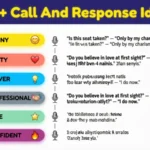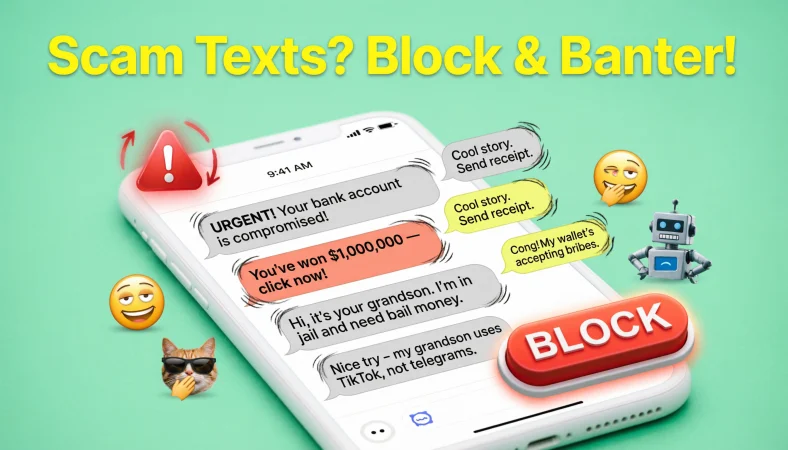
Quick Answer: “Nice try, internet wizard.”, “Please hold while I ignore this.”, “My imaginary lawyer will contact you.”, “Wrong number, right comedy.”, “I only pay in Monopoly money.” Funny replies to scammers can turn an annoying message into a genuinely entertaining moment, as long as you never click suspicious links, share personal information, or send money. When in doubt, screenshot, report, and block.
Nothing ruins a perfectly peaceful day like a random message promising a prize you never entered to win, a mysterious delivery you never ordered, or a stranger claiming you are their long-lost soulmate. Scammers can slide into your texts, DMs, email inbox, social media comments, and even work messages with impressive confidence. The good news? You do not have to take every suspicious message seriously. Sometimes, a funny reply is enough to turn an irritating scam attempt into a tiny comedy show.
This collection of funny replies to scammers is packed with playful, witty, sarcastic, and clever lines you can use when you spot an obvious scam. Whether the message involves fake money, romance, jobs, packages, investments, or suspicious giveaways, there is a response for the moment. Just remember: the safest move is still to avoid links, protect your information, report the account, and block the sender.
Funny Replies to Scammers
“Nice try, internet wizard.”
Use it when a scammer sends an obviously suspicious offer.
Meaning: You recognize the trick and are not impressed.
“I was born at night, but not last night.”
Use it when someone thinks an unbelievable story will fool you.
Meaning: You are letting them know you are not that gullible.
“Please hold while I pretend to care.”
Use it for an unsolicited message demanding immediate attention.
Meaning: You are humorously dismissing their urgency.
“My scam detector just started doing backflips.”
Use it when the message contains several obvious warning signs.
Meaning: The message looks extremely suspicious.
“Interesting story. Ten out of ten for creativity.”
Use it when the excuse is especially elaborate.
Meaning: You are mocking the effort without taking the bait.
“I only accept suspicious offers in writing.”
Use it when someone makes a ridiculous promise.
Meaning: You are joking about their obviously questionable pitch.
“You almost had me. Then you mentioned the free money.”
Use it when the scam relies on an unrealistic reward.
Meaning: The promise is so obvious that it gives the scam away.
“My imaginary accountant says no.”
Use it when someone asks for money or financial details.
Meaning: You are refusing while keeping the response playful.
“I checked with my goldfish. We both said no.”
Use it when you want an absurd response to a suspicious request.
Meaning: You are making it clear that the answer is not happening.
“This feels like a plot twist I did not subscribe to.”
Use it when a message suddenly becomes suspicious.
Meaning: You find the situation ridiculous and unexpected.
“Bold of you to assume I have money.”
Use it when the scam involves payment.
Meaning: You are jokingly rejecting the financial request.
“Congratulations, you have reached my block list.”
Use it as your final message before blocking.
Meaning: The conversation is officially over.
Witty Replies to Scammers
“Your message has been forwarded to absolutely nobody.”
Use it when a scammer tries to sound official.
Meaning: Their supposed authority means nothing to you.
“Let me consult the council of people who ignore spam.”
Use it when they pressure you to respond quickly.
Meaning: You are refusing to be rushed.
“I would love to help, but my common sense said otherwise.”
Use it when a scam sounds almost believable.
Meaning: Your judgment is telling you to walk away.
“This email has more red flags than a parade.”
Use it when several warning signs appear at once.
Meaning: The message is clearly suspicious.
“I regret to inform you that I have detected nonsense.”
Use it when the scam story is particularly ridiculous.
Meaning: You are humorously calling out the deception.
“Please send your request to my fictional assistant.”
Use it when someone asks for personal information.
Meaning: You are giving them nothing useful.
“I would respond, but my spam folder already did.”
Use it when replying to an obvious spam message.
Meaning: You are treating their message as unwanted noise.
“That sounds expensive. I prefer my problems free.”
Use it when money enters the conversation.
Meaning: You are rejecting the financial angle.
“Your confidence is impressive. Your story, not so much.”
Use it when the scammer sounds unusually confident.
Meaning: Confidence does not make a suspicious claim believable.
“I have questions, starting with ‘Who even are you?’”
Use it when a stranger suddenly contacts you.
Meaning: You are challenging the unexplained contact.
“This message has the energy of a suspicious pop-up.”
Use it when the wording feels unnatural or urgent.
Meaning: You recognize classic spam behavior.
“Thank you for your submission. Unfortunately, reality declined it.”
Use it when someone sends an unbelievable claim.
Meaning: Their story does not survive a reality check.
Sarcastic Replies to Scammers
“Wow, I won a prize I never entered. What are the odds?”
Use it for fake lottery or giveaway messages.
Meaning: You are pointing out the obvious contradiction.
“Finally, my rich mysterious relative has returned.”
Use it for fake inheritance messages.
Meaning: You are joking about an obviously invented family connection.
“Amazing. My bank account is thrilled.”
Use it when someone promises instant wealth.
Meaning: You are sarcastically mocking the money claim.
“I always wanted a suspicious link. Dream achieved.”
Use it when a scammer sends a questionable URL.
Meaning: You are highlighting how untrustworthy the message looks.
“What a coincidence. I suddenly do not trust you.”
Use it when a stranger asks for sensitive information.
Meaning: Their request immediately destroys your trust.
“Please tell my nonexistent financial advisor.”
Use it when the scam involves investments or payments.
Meaning: You are refusing to discuss your finances.
“I will alert the fictional authorities immediately.”
Use it when someone claims to represent an official organization.
Meaning: You are mocking their fake authority.
“Your urgency is adorable.”
Use it when someone repeatedly says you must act immediately.
Meaning: You recognize pressure tactics and refuse to panic.
“I would click that, but I enjoy having a functioning phone.”
Use it when a suspicious link arrives.
Meaning: You are jokingly refusing to interact with the link.
“This offer has aged beautifully in the scam department.”
Use it when the message uses an old, familiar trick.
Meaning: You recognize a recycled scam tactic.
“Please add me to the list of people who are not interested.”
Use it when someone keeps pitching an unwanted offer.
Meaning: You are firmly declining.
“I admire the commitment to the bit.”
Use it when the scammer has created an elaborate story.
Meaning: You are sarcastically acknowledging the effort.
Playful Replies to Scammers
“You caught me at a terrible time. I am busy being suspicious.”
Use it when someone wants an immediate response.
Meaning: You are playfully refusing to engage.
“Can we schedule this scam for Thursday?”
Use it when someone pressures you unexpectedly.
Meaning: You are making fun of their urgency.
“Do you accept payment in imaginary coins?”
Use it when money is requested.
Meaning: You are humorously refusing to pay.
“I have forwarded this to my imaginary security team.”
Use it when the message pretends to be official.
Meaning: You are treating the scam as a joke.
“Sorry, my trust department is closed.”
Use it when a stranger asks you to believe them.
Meaning: You do not trust the sender.
“One moment while I dramatically gasp.”
Use it when the scam claims something shocking happened.
Meaning: You are refusing to react seriously.
“This is the most exciting spam I have received all week.”
Use it when you want a lighthearted response.
Meaning: You find the message amusing rather than convincing.
“My detective era has officially begun.”
Use it when the scam is easy to investigate.
Meaning: You are joking about spotting clues.
“I appreciate the invitation to financial chaos.”
Use it when an investment or payment scam appears.
Meaning: You are declining the risky offer.
“I would join, but my brain said ‘absolutely not.’”
Use it when the offer seems suspicious.
Meaning: Your instincts are telling you to walk away.
“This message needs a plot, a character, and a better ending.”
Use it when the scam story is poorly written.
Meaning: The story is not convincing.
“Thanks, but I already have enough problems.”
Use it when someone offers a suspicious opportunity.
Meaning: You have no interest in adding another risk.
Clever Replies to Scammers
“The fastest way to lose my trust is to ask for my private information.”
Use it when a stranger requests sensitive details.
Meaning: You clearly understand the security risk.
“If the offer were real, it probably would not need this much convincing.”
Use it when someone keeps explaining an unrealistic deal.
Meaning: Excessive persuasion is making the offer less believable.
“Urgency is not evidence.”
Use it when someone tries to rush your decision.
Meaning: Pressure does not prove legitimacy.
“A real opportunity can survive five minutes of verification.”
Use it when someone insists you act immediately.
Meaning: Legitimate offers should tolerate reasonable checking.
“My favorite payment method is ‘not sending money to strangers.’”
Use it when someone requests payment.
Meaning: You have a firm boundary around financial safety.
“A suspicious link is still suspicious with extra emojis.”
Use it when the message uses emojis to seem friendly.
Meaning: Presentation does not make a risky link trustworthy.
“You provided a story, not proof.”
Use it when someone makes a dramatic claim.
Meaning: You need evidence before believing them.
“I verify first and panic never.”
Use it when a message tries to create fear.
Meaning: You choose verification instead of emotional reactions.
“If I never asked for it, I probably do not need it.”
Use it when an unsolicited service or prize appears.
Meaning: You recognize that unexpected offers deserve caution.
“My personal information is not a loyalty reward.”
Use it when someone promises something in exchange for your details.
Meaning: You will not trade private data for a questionable benefit.
“A blue logo does not automatically make a message legitimate.”
Use it when a scam imitates a familiar company.
Meaning: Visual branding can be copied and should not replace verification.
“Nice attempt. Verification wins again.”
Use it after identifying a suspicious message.
Meaning: You are proud of checking before trusting.
Sarcastic One-Liners for Scam Texts
“Oh no, not another emergency involving money.”
Use it when a text claims there is an urgent financial problem.
Meaning: You recognize a common pressure tactic.
“What a beautiful day to ignore suspicious messages.”
Use it when you receive obvious spam.
Meaning: You are choosing not to engage.
“My phone and I have decided this is not our journey.”
Use it when a message includes a questionable request.
Meaning: You are walking away from the interaction.
“I would investigate, but I have snacks.”
Use it when you want a deliberately unserious response.
Meaning: You are prioritizing your peace over the scam.
“This sounds legitimate if I forget everything I know.”
Use it when the story is laughably unbelievable.
Meaning: The scam fails basic common-sense checks.
“I see we are writing fiction today.”
Use it when a scammer tells an elaborate story.
Meaning: You do not believe the story.
“Please lower the drama and raise the evidence.”
Use it when someone uses fear or urgency.
Meaning: You want proof instead of emotional pressure.
“I have seen more convincing plots in a cereal commercial.”
Use it when the story is especially weak.
Meaning: You find the scam laughably unconvincing.
“My curiosity has officially been replaced by caution.”
Use it when the message initially seems interesting.
Meaning: Safety takes priority over curiosity.
“That was almost convincing. Almost.”
Use it when the scam has a polished appearance.
Meaning: Something about it still gives away the deception.
“I would be impressed if this were not so suspicious.”
Use it when the scam is unusually elaborate.
Meaning: You acknowledge the effort while rejecting the message.
“And now for my favorite part: blocking.”
Use it as a humorous closing line.
Meaning: You are ending the interaction.
Funny Replies to Fake Delivery Scams
“What did I order, a surprise?”
Use it when a delivery message arrives unexpectedly.
Meaning: You are questioning why you would receive a package notice.
“My imaginary package is running late again.”
Use it when a fake delivery update appears.
Meaning: You are joking about the nonexistent parcel.
“Please tell the mystery package I said hello.”
Use it when you never ordered anything.
Meaning: You are not taking the message seriously.
“I ordered snacks, not suspicious links.”
Use it when a delivery scam includes a link.
Meaning: You recognize the message as unrelated to anything you purchased.
“The parcel can stay mysterious.”
Use it when someone asks you to confirm personal details.
Meaning: You refuse to provide information.
“My delivery tracking says ‘nice try.’”
Use it for an obviously fake tracking message.
Meaning: You are humorously rejecting the scam.
“If my package needs my card details this badly, it can go home.”
Use it when payment information is requested.
Meaning: You will not provide financial details through an unsolicited message.
“Tell the courier I am emotionally unavailable.”
Use it when you want an absurd response.
Meaning: You are turning the suspicious delivery into a joke.
“No package, no panic.”
Use it when a message claims there is a delivery problem.
Meaning: You refuse to react without verification.
“I love surprises, but not the phishing kind.”
Use it when a delivery message contains a suspicious request.
Meaning: You recognize the security risk.
“My mailbox has entered witness protection.”
Use it when a fake delivery message appears.
Meaning: You are humorously avoiding the suspicious request.
“The package can wait. My common sense cannot.”
Use it when someone pressures you to act quickly.
Meaning: You prioritize caution over urgency.
Funny Replies to Fake Money Scams
“My bank account just laughed.”
Use it when someone promises you unexpected wealth.
Meaning: The offer is far from believable.
“I would invest, but I am currently investing in lunch.”
Use it when a stranger pitches an investment opportunity.
Meaning: You are not interested in their financial offer.
“My fortune is currently unavailable for comment.”
Use it when someone asks about your finances.
Meaning: You are refusing to discuss money.
“I prefer my money where I can see it.”
Use it when someone asks you to transfer funds.
Meaning: You are keeping control of your finances.
“Congratulations on finding my imaginary millions.”
Use it when a scammer claims you have inherited money.
Meaning: You know the claim is fabricated.
“I checked my wallet. It voted no.”
Use it when someone requests payment.
Meaning: You are firmly declining.
“The only transfer I am making is from this chat to my block list.”
Use it when the financial pitch becomes pushy.
Meaning: You are ending contact.
“My money and I are in a committed relationship.”
Use it when someone asks for financial information.
Meaning: You are protective of your finances.
“I am rich in common sense, unfortunately.”
Use it when a scammer expects you to believe a financial story.
Meaning: You recognize the deception.
“That return sounds higher than my trust level.”
Use it when an investment promise seems too good.
Meaning: The unrealistic profit makes you suspicious.
“My financial strategy is currently called ‘nope.’”
Use it when a stranger offers an investment.
Meaning: You have no intention of participating.
“Thanks, but I will keep my money and my eyebrows unraised.”
Use it when an offer is clearly suspicious.
Meaning: You are not impressed by the pitch.
Funny Replies to Romance Scammers
“My heart has excellent spam protection.”
Use it when a stranger becomes romantic very quickly.
Meaning: You are not falling for sudden affection.
“That was fast. We skipped the entire getting-to-know-you season.”
Use it when someone immediately declares strong feelings.
Meaning: Their romantic approach feels suspiciously rushed.
“My imaginary relationship manager will review this.”
Use it when a stranger sends an overly romantic message.
Meaning: You are jokingly refusing the advance.
“I prefer romance without surprise financial requests.”
Use it when affection is followed by money talk.
Meaning: Financial requests are a major warning sign.
“My heart says no, and my brain has already blocked you.”
Use it when the romantic message feels suspicious.
Meaning: Both your emotions and judgment reject the interaction.
“This romance has more red flags than a festival.”
Use it when several warning signs appear.
Meaning: The relationship pitch feels clearly deceptive.
“You had me at hello and lost me at ‘send money.’”
Use it when a romantic scam becomes financial.
Meaning: The financial request exposed the scam.
“I am looking for chemistry, not cryptocurrency.”
Use it when a romantic stranger starts discussing investments.
Meaning: You are not interested in a financial pitch disguised as romance.
“Cupid would like his bow back.”
Use it when the romantic approach becomes obviously suspicious.
Meaning: The attempted romance is not working.
“My dating strategy does not include mysterious strangers with urgent requests.”
Use it when a romance scam becomes demanding.
Meaning: You are setting a clear boundary.
“Love is sweet. Password requests are not.”
Use it when someone mixes affection with requests for account information.
Meaning: Romance should never be used to obtain sensitive details.
“Thanks for the romance novel, but I am returning the manuscript.”
Use it when someone sends an elaborate fake love story.
Meaning: You are rejecting the fabricated relationship.
Clever Replies to Fake Job Scams
“The salary sounds great. The suspicious link does not.”
Use it when a job offer arrives unexpectedly with a link.
Meaning: You recognize that attractive pay does not prove legitimacy.
“My résumé is ready, but my scam radar is faster.”
Use it when an unsolicited recruiter contacts you.
Meaning: You check legitimacy before getting excited.
“I accept job offers, not mystery invoices.”
Use it when a supposed employer asks for money.
Meaning: Legitimate employment should not require questionable upfront payments.
“Please send the job description, not a password request.”
Use it when a recruiter asks for sensitive information.
Meaning: You want legitimate hiring details instead of private credentials.
“Remote work sounds nice. Remote red flags do not.”
Use it when a suspicious work-from-home offer appears.
Meaning: You recognize warning signs in the opportunity.
“My dream job does not involve paying to get hired.”
Use it when an employer requests an upfront fee.
Meaning: You reject suspicious employment arrangements.
“I would love a career upgrade, but not a security downgrade.”
Use it when a job message asks for sensitive data.
Meaning: Career opportunities are not worth compromising your security.
“This job description needs fewer promises and more proof.”
Use it when the offer sounds unrealistically generous.
Meaning: You want verification before believing the opportunity.
“My references include common sense and caution.”
Use it when a fake recruiter wants immediate information.
Meaning: You take security seriously.
“I am available for interviews, not financial surprises.”
Use it when the supposed employer asks for payment.
Meaning: You will not pay to participate in a job opportunity.
“The position sounds interesting. The suspicious attachment does not.”
Use it when a recruiter sends an unexpected file.
Meaning: You are cautious about potentially unsafe attachments.
“Thank you for considering me. I will now consider blocking you.”
Use it when the job offer is clearly fraudulent.
Meaning: You are ending the interaction.
Polite Replies to Scammers
“Thank you, but I am not interested.”
Use it when you want to remain courteous.
Meaning: You are declining without unnecessary confrontation.
“I do not provide personal information through unsolicited messages.”
Use it when someone requests private details.
Meaning: You are establishing a clear security boundary.
“I will verify this independently before taking any action.”
Use it when a message claims to represent a company or organization.
Meaning: You will not rely solely on the sender’s instructions.
“I appreciate the message, but I will pass.”
Use it when you want a brief and friendly refusal.
Meaning: You are declining the offer.
“For security reasons, I will not continue this conversation.”
Use it when the request becomes suspicious.
Meaning: You are ending contact without sharing details.
“Please remove my number from your contact list.”
Use it when unwanted messages continue.
Meaning: You are clearly asking them to stop.
“I do not respond to unexpected payment requests.”
Use it when money is involved.
Meaning: You have a firm financial safety rule.
“I prefer to contact organizations through their official channels.”
Use it when someone claims to represent a company.
Meaning: You will verify independently.
“I will not click unsolicited links.”
Use it when a message includes a questionable URL.
Meaning: You are prioritizing digital safety.
“Thank you for understanding. I will not be proceeding.”
Use it when declining an opportunity.
Meaning: You are closing the conversation politely.
“I cannot verify this request, so I will decline.”
Use it when the sender cannot provide trustworthy confirmation.
Meaning: Lack of verification is enough reason to refuse.
“Have a good day, and please do not contact me again.”
Use it when you want a polite but firm ending.
Meaning: You are setting a clear boundary.
Professional Replies to Scammers
“Please provide your official company contact details for independent verification.”
Use it when a supposed business representative contacts you.
Meaning: You want to verify their identity through trusted channels.
“I do not process financial requests through unsolicited messages.”
Use it when someone requests payment at work.
Meaning: You are following a cautious professional standard.
“I will verify this request directly with the organization.”
Use it when an email appears to come from a company.
Meaning: You will not rely on the message alone.
“Please use the established business communication channel.”
Use it when someone contacts you through an unusual platform.
Meaning: You prefer verified communication methods.
“I cannot provide confidential information without proper verification.”
Use it when sensitive workplace data is requested.
Meaning: You are protecting private information.
“I will not open unexpected attachments.”
Use it when a suspicious work email includes a file.
Meaning: You are avoiding a potential security risk.
“This request does not match our normal process.”
Use it when a supposed colleague asks for something unusual.
Meaning: You recognize a possible impersonation attempt.
“Please submit the request through the appropriate internal channel.”
Use it when an unexpected business request arrives.
Meaning: You want the request handled through established procedures.
“I am unable to assist without confirmation of your identity.”
Use it when the sender’s identity is unclear.
Meaning: Verification is required before proceeding.
“I will not share credentials by email or message.”
Use it when someone asks for passwords or login information.
Meaning: You are protecting account access.
“I will confirm this independently before taking action.”
Use it when the message creates urgency.
Meaning: Pressure will not override verification.
“Thank you. I will escalate this through the appropriate security channel.”
Use it when a workplace message appears fraudulent.
Meaning: You are reporting rather than engaging further.
Dramatic Replies to Scammers
“The audacity has entered the chat.”
Use it when an especially bold scam arrives.
Meaning: You are amused by how confident the scam attempt is.
“My ancestors warned me about messages like this.”
Use it when the scam is immediately suspicious.
Meaning: You are joking about your instinctive distrust.
“This is not the plot twist I ordered.”
Use it when an unexpected scam appears.
Meaning: The message has completely disrupted your day.
“My trust has left the building.”
Use it when the sender asks for sensitive information.
Meaning: You no longer consider the message trustworthy.
“The red flags have formed a marching band.”
Use it when the scam contains multiple warning signs.
Meaning: The message is extremely suspicious.
“And just like that, the episode ends.”
Use it before blocking an obvious scammer.
Meaning: You are dramatically ending the interaction.
“Someone call the detective department of my brain.”
Use it when the story requires checking.
Meaning: You are switching into investigation mode.
“I fear this romance has been canceled by reality.”
Use it when a fake romantic story falls apart.
Meaning: The deception is too obvious to continue.
“My wallet has entered survival mode.”
Use it when someone requests money.
Meaning: You are protecting your finances.
“The suspense is unbearable. Oh wait, it is obviously spam.”
Use it when a scam tries to create mystery.
Meaning: The supposed suspense does not fool you.
“I have seen enough. Roll the credits.”
Use it when the scam becomes unmistakable.
Meaning: You are ending the interaction.
“This performance deserves a standing ovation and a block.”
Use it when the scammer has an elaborate story.
Meaning: You are amused by the effort but still rejecting it.
Chill and Casual Replies to Scammers
“Nah, I am good.”
Use it when you want a very simple response.
Meaning: You are casually declining.
“Not for me, thanks.”
Use it when the offer is unwanted.
Meaning: You are keeping your refusal relaxed.
“I will pass on that one.”
Use it when someone offers something suspicious.
Meaning: You are declining without drama.
“No thanks, I am all set.”
Use it when someone asks for information or money.
Meaning: You do not need what they are offering.
“That does not look right to me.”
Use it when a message seems suspicious.
Meaning: You are calmly expressing doubt.
“I am going to leave this one alone.”
Use it when you want to disengage.
Meaning: You are choosing not to participate.
“Nope, not clicking that.”
Use it when a suspicious link appears.
Meaning: You are refusing to interact with the link.
“I think I will sit this one out.”
Use it when an unsolicited opportunity arrives.
Meaning: You are politely declining.
“Appreciate it, but no.”
Use it when you want a short, friendly refusal.
Meaning: You are being polite while staying firm.
“That is a no from me.”
Use it when someone pressures you for a decision.
Meaning: Your answer is clearly negative.
“I am going to verify this elsewhere.”
Use it when the sender claims to represent an organization.
Meaning: You will not trust the message without checking.
“All good, I will pass.”
Use it when you want to end the exchange casually.
Meaning: You are declining without inviting further discussion.
Confident Replies to Scammers
“I know a scam when I see one.”
Use it when the deception is obvious.
Meaning: You are confident in recognizing warning signs.
“You are not getting my information.”
Use it when someone requests personal details.
Meaning: Your privacy is not negotiable.
“I verify before I trust.”
Use it when someone demands immediate action.
Meaning: Verification comes before compliance.
“Pressure will not change my answer.”
Use it when a scammer keeps insisting.
Meaning: You will not be manipulated by urgency.
“My money stays with me.”
Use it when someone asks for payment.
Meaning: You are firmly protecting your finances.
“I do not make decisions based on random messages.”
Use it when an unsolicited offer arrives.
Meaning: You require trustworthy information first.
“That link is not getting clicked.”
Use it when a suspicious URL appears.
Meaning: You are refusing to take a digital risk.
“I do not owe strangers an explanation.”
Use it when someone demands personal details.
Meaning: You are confident setting boundaries.
“You can keep the offer.”
Use it when someone pitches a suspicious deal.
Meaning: You have no interest in participating.
“I am ending this conversation now.”
Use it when the sender becomes pushy.
Meaning: You are taking control and disengaging.
“No verification, no action.”
Use it when someone wants immediate compliance.
Meaning: Proof is required before you do anything.
“Blocked is the next step.”
Use it when the conversation has clearly become fraudulent.
Meaning: You are confidently ending contact.
Creative Replies to Scammers
“Your message has been nominated for Best Suspicious Performance.”
Use it when a scam is unusually elaborate.
Meaning: You are turning the attempt into a mock award show.
“Welcome to the Department of Absolutely Not.”
Use it when someone asks for money or personal information.
Meaning: Your answer is a humorous but firm refusal.
“The Council of Common Sense has reviewed your proposal.”
Use it when a scammer presents an unrealistic offer.
Meaning: The supposed proposal has failed your judgment test.
“Your application for access to my wallet has been denied.”
Use it when someone requests money.
Meaning: You are protecting your finances.
“Your invitation to the Scam Olympics has been declined.”
Use it when the scam is especially obvious.
Meaning: You are making fun of the attempted deception.
“My inbox has spoken, and it says absolutely not.”
Use it when you receive repeated spam.
Meaning: You are rejecting the message.
“This conversation has been canceled due to excessive nonsense.”
Use it when the story becomes unbelievable.
Meaning: You are ending the exchange.
“Please submit your nonsense in triplicate.”
Use it when a scammer sends a dramatic claim.
Meaning: You are sarcastically refusing to take it seriously.
“Your request is currently under review by my last remaining brain cell.”
Use it for an absurd scam pitch.
Meaning: You are joking about how little credibility the message has.
“My imaginary security guard says you cannot come in.”
Use it when someone asks for access to an account.
Meaning: You are refusing access to private information.
“The Department of Good Decisions has rejected this proposal.”
Use it when an offer seems too good to be true.
Meaning: You are choosing caution over temptation.
“Thank you for auditioning. The role has been recast.”
Use it when you are ready to block the sender.
Meaning: You are humorously closing the interaction.
Short and Punchy Replies to Scammers
“Nope.”
Use it when you want the shortest possible answer.
Meaning: You are firmly declining.
“Hard pass.”
Use it when an offer is clearly suspicious.
Meaning: You have no interest whatsoever.
“Nice attempt.”
Use it when you spot the scam immediately.
Meaning: You recognize the trick.
“Not today.”
Use it when you want a playful refusal.
Meaning: You are declining without overexplaining.
“Try someone else.”
Use it when you want to end the interaction quickly.
Meaning: You are not an easy target.
“Wrong person.”
Use it when a scammer assumes you will cooperate.
Meaning: Their message has reached someone who will not participate.
“Blocked.”
Use it when you are done with the conversation.
Meaning: Contact is ending immediately.
“That is not happening.”
Use it when someone asks for money or private information.
Meaning: Your boundary is firm.
“Nice story.”
Use it when the scam involves an unbelievable explanation.
Meaning: You do not believe the story.
“Not clicking.”
Use it when a suspicious link is included.
Meaning: You are refusing to interact with the link.
“Keep dreaming.”
Use it when the scammer makes an unrealistic request.
Meaning: Their expectation is not going to happen.
“Better luck elsewhere.”
Use it when you want a cheeky final response.
Meaning: You are sending them away without engaging further.
FAQs
What Does A Scam Message Usually Mean?
A scam message is generally an attempt to trick you into giving away money, personal information, account access, or other valuable details. It may use urgency, fear, rewards, romance, or authority to influence you.
Can A Scam Message Have A Flirty Meaning?
Sometimes a scammer uses flirting or romance as part of a social engineering scheme. Sudden affection combined with requests for money, financial information, gift cards, or account access is a major warning sign.
Should You Use Funny Replies With Scammers?
You can, but do not let humor turn into prolonged engagement. The safest approach is usually to avoid links and attachments, share nothing sensitive, report the message, and block the sender.
What If I Do Not Want To Reply At All?
You do not need to reply. In many cases, ignoring, reporting, and blocking the sender is the better option.
Is It Okay To Use These Replies At Work?
For workplace scams, a professional response is usually better. Do not joke with a suspected scammer if doing so could expose company information or encourage further contact.
What Should I Never Send To A Scammer?
Do not send passwords, verification codes, banking information, card details, identity documents, or other sensitive personal information. Avoid clicking suspicious links or opening unexpected attachments.
What If The Scammer Already Has My Information?
Do not panic. Change affected passwords, enable multi-factor authentication, monitor relevant accounts, contact your bank or service provider if money or financial details were involved, and report the incident through appropriate channels.
Can Scammers Pretend To Be Friends Or Family?
Yes. Impersonation scams can use familiar names, photos, or compromised accounts. Verify unexpected requests through a separate trusted method before taking action.
What Is The Funniest Safe Approach?
A short joke followed by disengagement is usually better than a long back-and-forth. The goal is to have a laugh without giving the sender more information or opportunities to manipulate you.
Should I Give A Scammer Fake Personal Information?
It is generally better not to engage. Even harmless-looking details can help someone build a more convincing profile about you, so silence, reporting, and blocking are safer.
Conclusion
Scammers may have unlimited confidence, questionable stories, and a suspicious link ready to go, but you do not have to give them your attention. A funny reply can make an annoying message feel a little less irritating, especially when the scam is so obvious that it practically writes its own punchline. Still, the best response is always the one that protects you. Keep private information private, verify unexpected requests independently, avoid suspicious links, and report messages that cross the line. Use these clever responses when you want a laugh, then protect your peace and hit block. Found a favorite line? Save this list, share it with a friend, and keep a few replies ready for the next suspicious message that lands in your inbox.